
How to Know If Your Shocks Are Bad
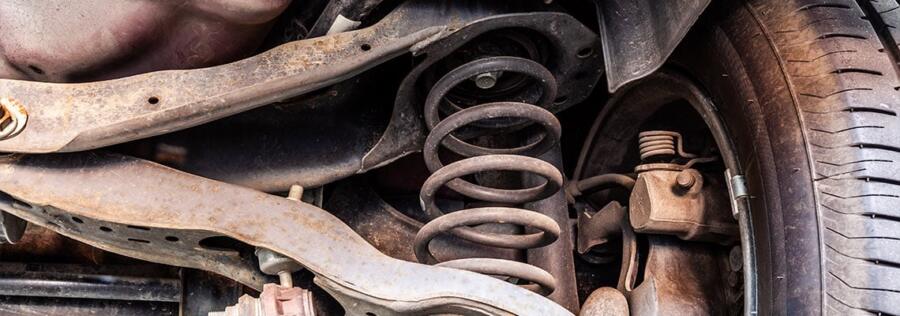
Does it seem like you’re spilling that morning coffee a little bit as your driving down Highway 1 near Kensington in a construction zone? Or perhaps you’re noticing that your car really lurches forward when you brake suddenly. If so, you might be wondering how to know if your shocks are bad on your car.
Aging vehicles, automobiles with high mileage, and vehicles that have never had their shocks or struts replaced are all susceptible to worn-out, damaged, or failing shocks. And you’ll notice it most when your vehicle’s ride becomes bumpier than usual.
Today’s blog post is all about how to know if your shocks are bad on a car, truck, SUV, or van. As a professional scrap car removal company, we’ll also discuss what the cost of repairs will look like, and whether it’s practical to do the repairs depending on your vehicle.
How Do I Know If My Car Needs Shocks?
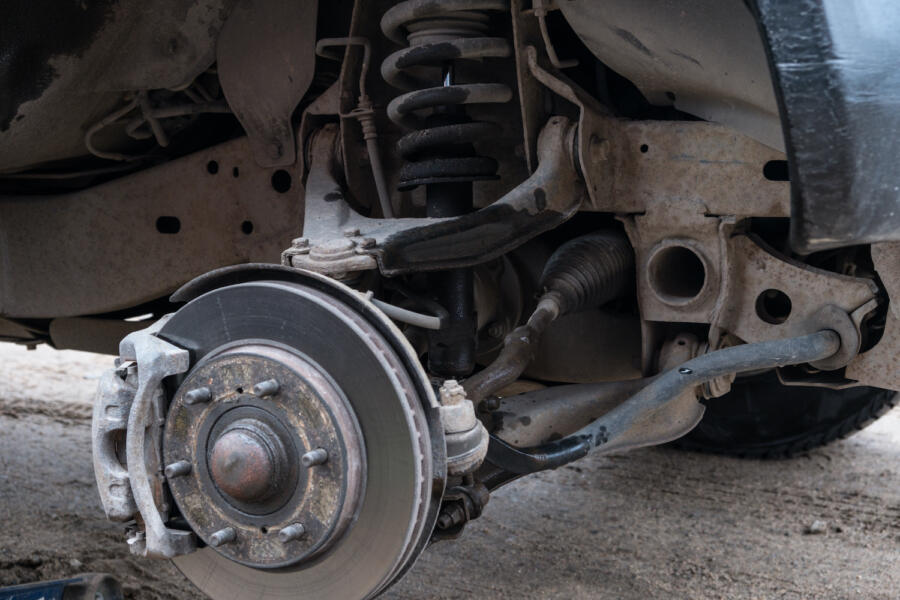
It’s a great question that many people ask at some point or another in their vehicle’s life. Because no matter how much routine maintenance you perform, you car will always end up need it’s shocks replaced.
When the replacement needs to be done will depend entirely on what type of driving you do, where you drive, how you drive, the condition of your tires, and many other important factors.
As a professional scrap car removal company based out of New Westminster, we see many vehicles in need of suspension work. It’s partly due to the abundance of hills in New West. But it’s also because of the heavy stop-and-go traffic, and a few other things.
How to Know If Your Shocks Need Replacing
Every vehicle will let you know when it’s in need of something. Whether it’s a repair, maintenance, or a replacement, you’ll get indicators of that something is awry. You simply have to know what to look and listen for when your shocks are on their way out.
1. Excessive Bumpiness or Bounciness

For some residents of Metro Vancouver and the Fraser Valley, bumpy roadways is a part of life. And recognizing that your shocks are failing can be harder for some, depending on the area you live in.
For Fraser Valley residents, many roadways are gravel or filled with potholes. And in Metro Vancouver there is plenty of construction to circumvent. So, discovering that you need new shocks can take longer than usual.
However, if you notice that your car is bouncing on fairly smooth pavement, hits the ground a little harder after going over a speed bump, or sways to one side or the other as you navigate a round-a-bout, you might need new shocks.
2. Uneven Tire Wear
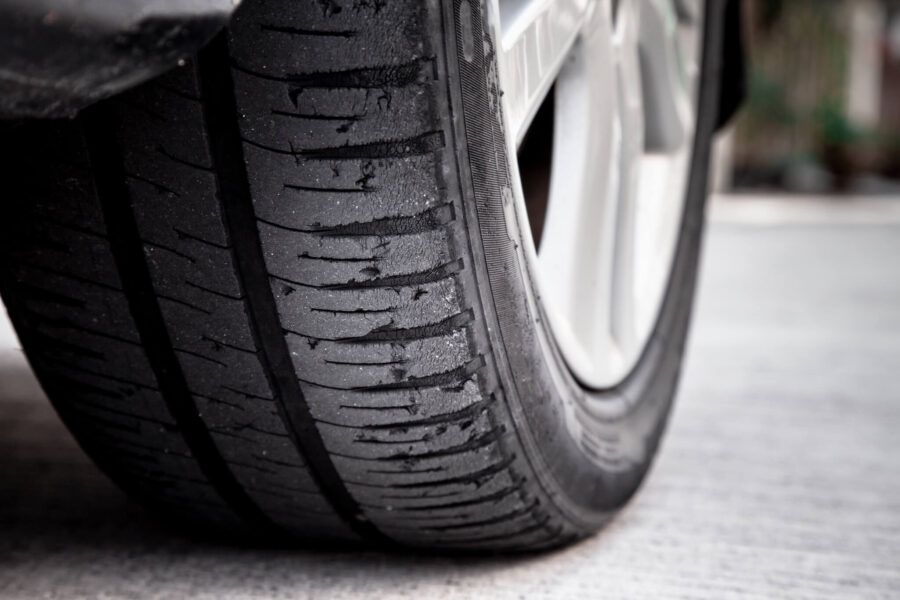
Now that winter is quickly approaching in the Lower Mainland, you might be considering switching those all-seasons or summer tires over to formal winter tires. And if the experienced people at Kal Tire mention that you’ve got cupping, it could indicate failing shocks or struts.
Cupping can occur if you overfill your car tires. However, it’s also present when an older vehicle, or one with high mileage, has suspension issues, like bad shocks.
What’s also common with bad shocks is uneven tire wear. If some tires look more worn than others, that could also signal that your shocks have had enough and need replacement.
3. A Rougher Than Usual Ride
Sometimes the bumps don’t feel quite as “bumpy” when your shocks are bad. But the sounds you hear from driving on bumpy roads is definitely more prevalent.
Which means that even if your ride isn’t all that bump, it could be experiencing more bumpiness without you even fully feeling it. When it sounds like it hurts your car, it probably does.
You’ll notice the difference when driving over train tracks (we are talking to you, Pitt Meadows, Abbotsford, and Maple Ridge residents!), when hitting potholes with one tire (or both), and when going over curbs with your back tire.
4. It Takes Longer to Stop Your Car When Braking
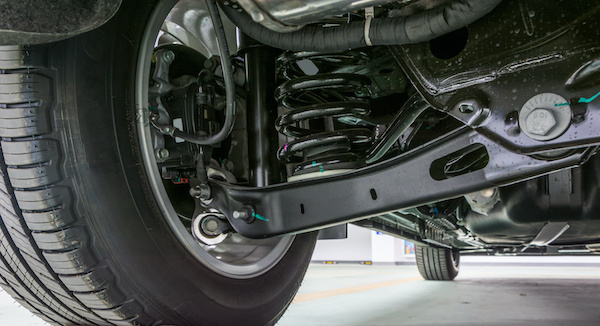
A common misdiagnosis by people who are more novice when it comes to automotive things is that their brakes need replacing because it’s taking them longer to stop their vehicle.
However, this can actually be a clear indicator that your vehicle needs new shocks or struts. If you’re finding that it takes longer to stop, or that your car “dives” heavily when stopping, have your car inspected by a mechanic promptly.
What’s the Difference Between Shocks & Struts?
One of the most commonly asked questions by people who may need their shocks replaced is what the difference is between shocks and struts.
Because typically, when you present the issues to a mechanic, immediately they will say they suspect it’s your shocks or struts.
Shocks and struts both help control a vehicle’s ride quality, but they differ in function and importance within the suspension system.
Are Shocks & Struts on a Car Different?
Shocks are standalone dampers that manage spring movement, reducing bounce and improving stability on uneven roads. They don’t support vehicle weight.
Struts, however, combine a shock absorber with structural components, carrying part of the vehicle’s load while also affecting steering, alignment, and handling.
Because struts are integral to suspension geometry, replacing them has a greater impact on ride height and control. In contrast, shocks are simpler, easier to service, and mainly influence comfort rather than overall structural performance.
How Much Does It Cost to Replace Shocks on a Car?
Just like any repair, the total cost will depend on the type of vehicle you’re doing the repair/replacement on. As well as what other nearby components might also need replacing or repairing, and whether or not you are doing both shocks and struts.
The average price runs between $200 – $500 for shock replacement on an average domestic or import sedans.
However, if you’re replacing both shocks and struts, you’ll be looking at around $500 – $2,000, depending on the type of vehicle and if you need to replace the entire assembly.
Cash for Scrap Cars with Suspension Issues
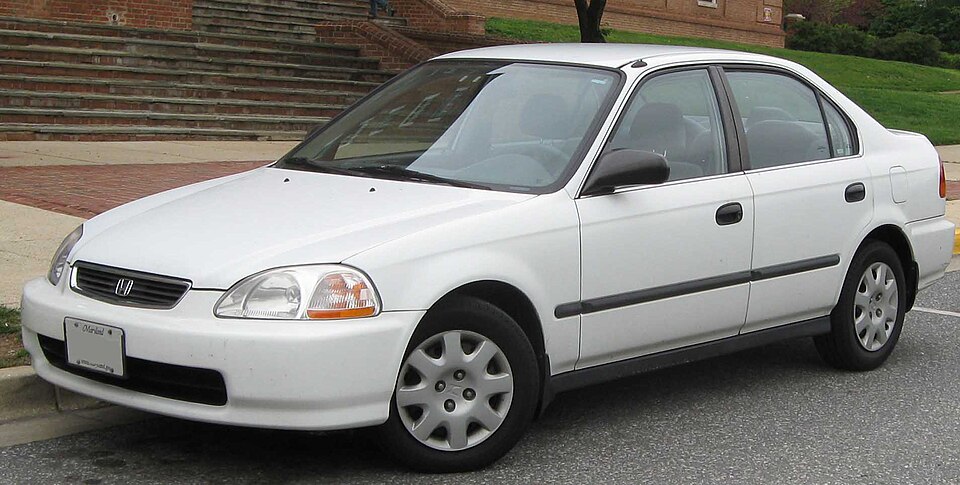
Many of the clunker junkers that we purchase are old, worn-out, rusty scrap cars that haven’t been driven in years. However, there are many that we buy that don’t fit this description at all.
Many junk automobiles look relatively good on the outside, but have major mechanical issues, electrical problems, much needed suspension repairs, and even collision damage. Which is why we pay MORE cash for scrap cars with suspension issues as well.
Whether you simply need tie rods on your aging commuter car, a new CV axle on your daily driver, or new shocks because yours are leaking and not doing much cushioning, we can help. Just call and talk to one of our junk car buyers today.
How Much Cash for Cars Do We Pay in Vancouver?
We have been buying scrap cars, trucks, SUVs, vans, hybrids, and commercial vehicles in Metro Vancouver and the Fraser Valley since 2005. And we almost always pay MORE cash for cars than the other guys.
Simply provide our scrap car removal team with the make, model, year, condition, mileage, and location of your junk vehicle. Then, let us know when you’d like it picked up . We will present you with an instant cash offer right over the phone.
If you accept the offer, we can usually offer same day pick-up. We operate 7 days a week, from 7:00 AM-11:00 PM. We also buy junk cars on most statutory holidays.
Contact Our Vancouver Scrap Car Buying Team Today!
A quick call, simply text, or short email is all it takes to get an instant cash offer on ANY scrap automobile in Metro Vancouver or the Fraser Valley.
We will take the time to explain what your junk vehicle is worth and why so that you know exactly what we are offering what we are offering. Transparency is part of how we offer MORE than the other guys too!
So, if you want to scrap your car for quick cash, scrap it with More Cash For Scrap. We offer MORE customer service. Along with MORE flexible scrap car pickup times. And we pay MORE cash for scrap cars than the other guys!
Share This Article, Choose Your Platform!
About the Author: scrapcar
