
What Is a CV Axle?
For most people, knowing what a CV axle doesn’t become even a point of interest until they have been left on the side of the road with a vehicle that won’t drive. Because you don’t even ask the question, “what is a CV?”, until your mechanic advises you that yours has failed (or is failing).
In today’s blog post, we’ll cover what a CV axle is on a car, what it does, what happens when it’s failing, and what to do about it. We’ll also give you specific signs and symptoms to watch out for, to prevent being stranded on the roadside.
More Cash For Scrap is a professional scrap car removal company that has been buying scrap cars since 2005. We share our gained knowledge about aging and scrap vehicle problems to help our customers better deal with their vehicle’s mechanical defects.
What Does a CV Axle Do on a Car?
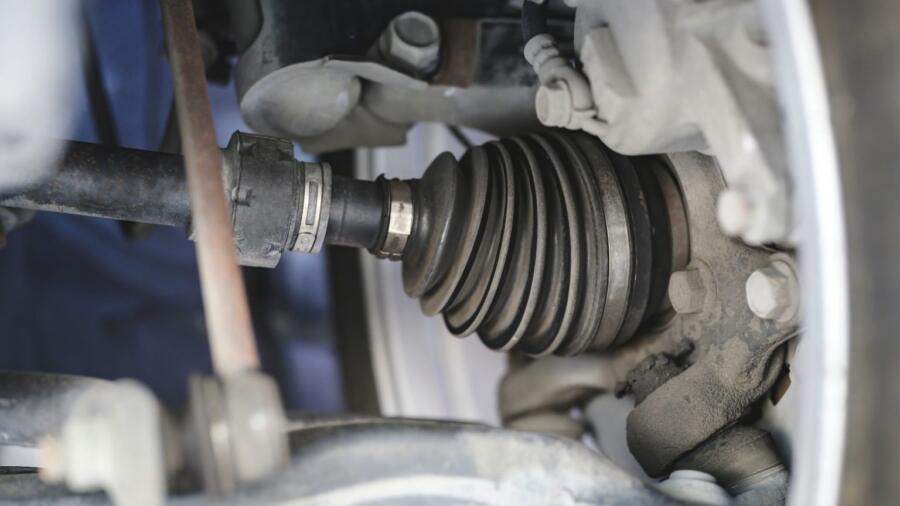
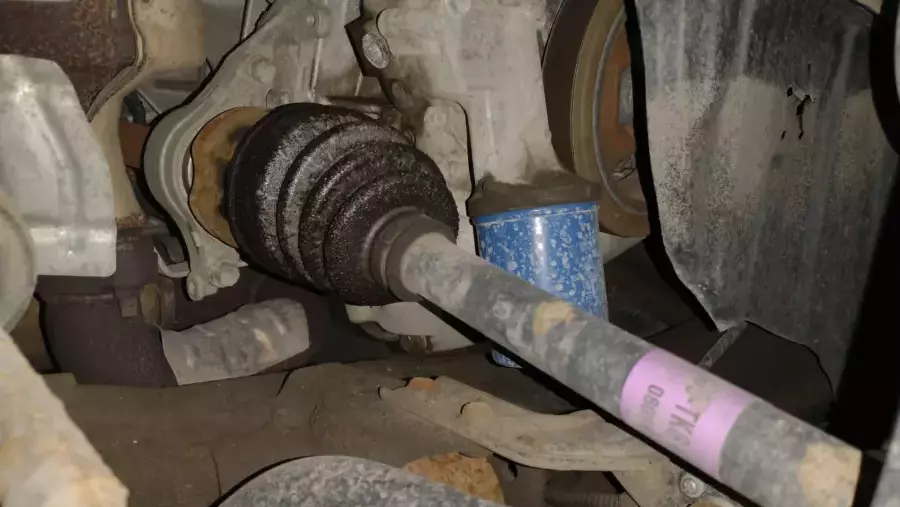
A CV axle (short for constant velocity axle) is a crucial part of any vehicle’s drivetrain, especially in front-wheel drive and all-wheel drive vehicles.
The CV axle transmits power from the transmission to the wheels, allowing the car to move. If your CV axle is failing, you’ll notice issues with clicking or clunking while driving, and especially while turning.
What makes it special is that it can flex and bend while still rotating, which is essential for turning and proper suspension movement. Which is exactly why you’ll notice new or unusual sounds when your CV axle is on its way out.
Signs Your CV Axle Needs to Be Replaced
Just like any mechanical failure on a vehicle, there will be signs and symptoms when your CV axle is on its way out.
Here are common signs that your CV axle may need to be replaced:
1. Clicking And/Or Popping Sounds While Turning

Older vehicles have a tendency to make unusual sounds when shifting gears, turning, or going over bumps and potholes.
However, if you notice a consistent popping or clicking sound when turning corners or going around bends, it might mean that your CV axle is on its way out.
Additionally, your CV axle may not have failed completely. It could simply be that it is damaged due to impact or wear and tear. In either case, it’s best to have it inspected by a professional mechanic to diagnose.
2. Leaking Grease from Your Axle
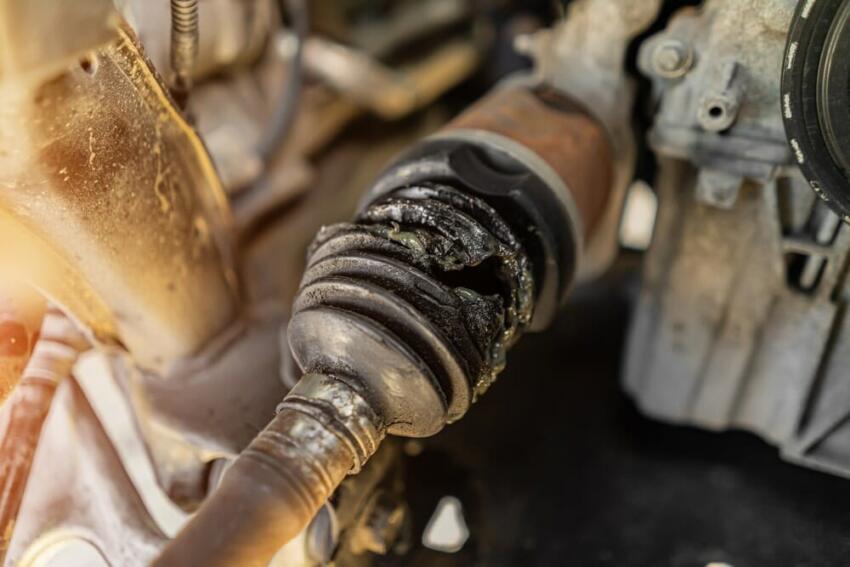
For many people, driving an older commuter car means rarely tending to routine maintenance, including washing your car regularly. So, when extra dirt or grease shows up around the wheels, you might not think much of it.
Great being present on the inside of your wheels, or specifically, coming out near the axle, can indicate that you’ve got a leak in your axle. This happens when your CV boots is damaged or torn.
If you don’t have your axle repaired promptly, the lack of grease causes the joint to wear out faster due to increase friction. And that can leave you immobile completely and without warning.
3. New or Worsening Vibration While Driving
Vibrations can occur when the CV axle is out of balance, is damaged, or simply is too worn out to operate properly.
And although aging vehicles, or vehicles with high mileage tend to have vibrations in general, noticeable or new vibrations occurring in the front end of your vehicle could signal CV axle failure.
At More Cash For Scrap, we pay MORE cash for scrap cars with failed CV axles, failing suspensions, and even vehicles that need a complete brake job. If your vehicle is having front-end issues, give us a call and see what your car might be worth. We always pay MORE!
4. Knocking When Accelerating

Generally, aging vehicles will experience knocking sounds for a variety of reasons. From failing engines to suspension issues involving shocks and struts, to seized brake calipers; you never know what you’re getting when a knocking sound suddenly starts happening out of nowhere.
However, if you’ve had other issues that indicate a failing CV axle and then start to experience knocking while speeding up or slowing down, it could mean that your CV axle is getting close to its expiration date.
If you think your CV axle is starting to go, have a professional mechanic, like our friends at North Shore Auto Repair take a look at it. Failing to have it checked out promptly can mean being stranded unexpectedly on the side of the road.
5. Especially Bouncy or Unstable Ride
Driving an older vehicle usually means expecting the ride to not be as comfy and cushy as it would if you were driving a newer vehicle.
And although we become accustomed to our aging vehicle’s bumps, jumps, and various quirks, an unstable or especially bumpy ride can mean your CV axle is having problems.
Also, if your CV axle hasn’t failed yet, the increased bumpiness can cause it to fail faster. This happens because components and structures get jostled around much more with increased instability and more impact from bumps on the road.
What Happens When Your CV Axle Fails?
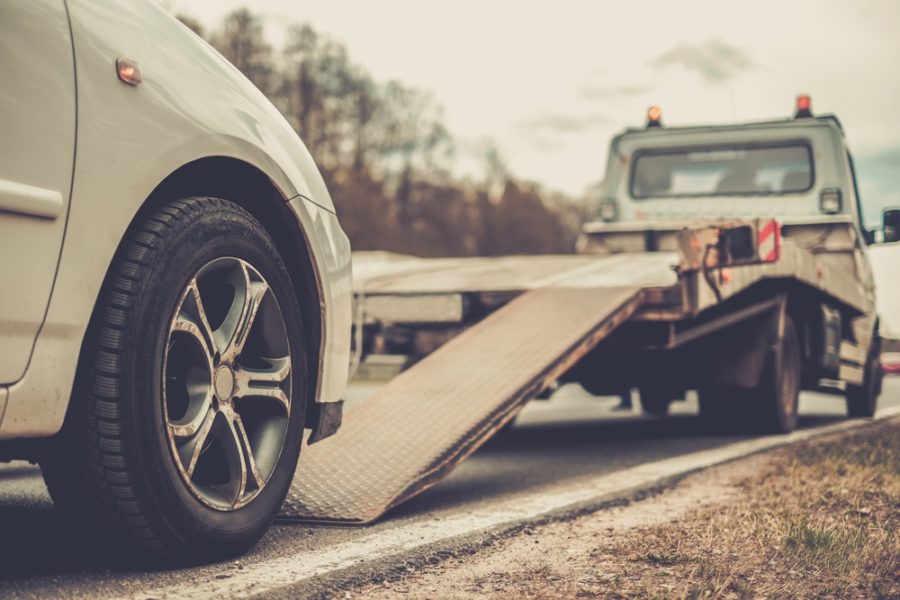
When your CV axle finally fails completely, you’ll know it. Because without a functioning CV axle, your vehicle cannot move.
In fact, if you own a vehicle that has a tachometer, you’ll notice that when your CV axle finally goes caput, that the tach needle will be pinner at the top, even though you are losing speed.
Because without the CV axle properly functioning, your transmission and wheels cannot communicate. Your car might know that the vehicle is supposed to be moving, but your wheels definitely do not.
How Much Does It Cost to Replace a CV Axle in Canada?
The cost to replace a CV axle on a vehicle entirely depends on the extent of the damage caused (if any), and the type of vehicle that you drive. 4×4 vehicles and trucks tend to be on the more expensive side.
On average, the cost to replace a CV axle in British Columbia is between $350 – $900. With the cost of parts making up more than half of the overall cost.
Parts for a CV axle replacement alone cost around $400 – $650. The rest is usually the cost of labour, and varies depending on your shop’s labour rate.
Cash for Scrap Cars with Bad CV Axles
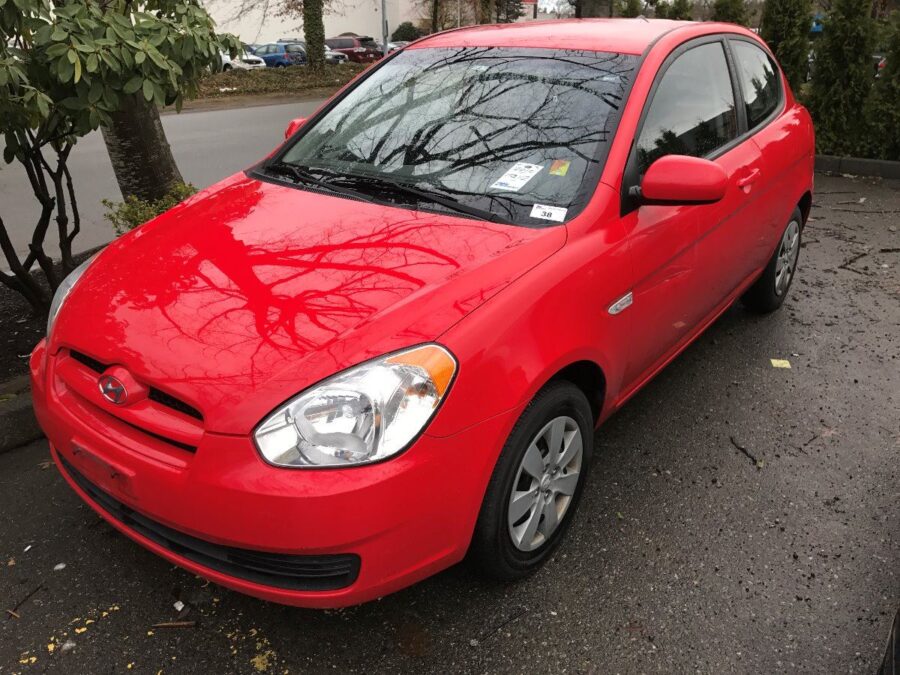
Aging vehicles and commuter cars with high mileage all have mechanical issues at one point or another. But when they start to stack up, it might be time to consider scrap car removal instead of another inflated mechanic’s bill.
More Cash For Scrap pays MORE cash for scrap cars with failed CV axles than any other scrap car buyer in Metro Vancouver or the Fraser Valley. Because even when you have drivetrain or suspension issues, there’s still lots of value left in your vehicle.
And unlike some scrap car removal companies in the Lower Mainland, we provide free towing. We also offer free roadside vehicle removal after an accident or breakdown. Like when your CV axle suddenly decides to quit on you!
How Much Can You Scrap Your Car for in Vancouver?
Offering MORE cash for scrap cars, trucks, SUVs, vans, and commercial vehicles is something we are passionate about. And we provide instant cash offers right over the phone.
Simply provide our scrap car buyers with the make, model, year, condition, mileage, and location of your vehicle. Also, let us know of any mechanical issues, electrical problems, or collision damage.
Once we have all this information, we’ll make you an instant cash offer right over the phone or by text. And if you accept the offer, we can often arrange same day scrap car removal from anywhere in the Lower Mainland.
Contact Our Scrap Car Removal Team Today!

Getting rid of an older vehicle is simply when you find the right kind of buyer. And at More Cash For Scrap, we are exactly that kind of buyer!
We pay MORE cash for scrap cars with mechanical problems, electrical issues, collision damage, high maintenance costs, and everything in between. Because we know where the true value lies in every car we scrap.
So, if you’ve been thinking about scrapping your vehicle because of a failed CV axle, or any other mechanical failure, think More Cash For Scrap. We are a better way to scrap any vehicle for the most cash.
We offer MORE customer service. Along with MORE flexible scrap car pickup times. And we pay MORE cash for scrap cars than the other guys. We simply offer MORE!
Share This Article, Choose Your Platform!
About the Author: scrapcar
